Problem
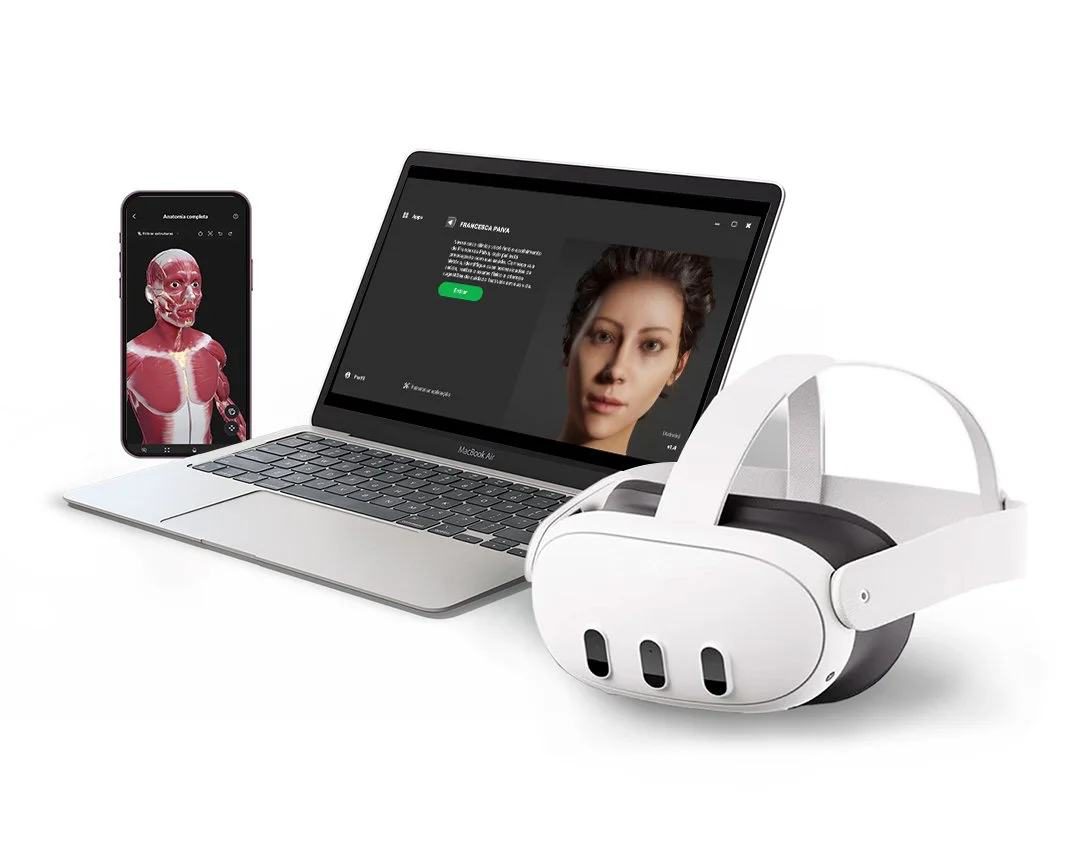
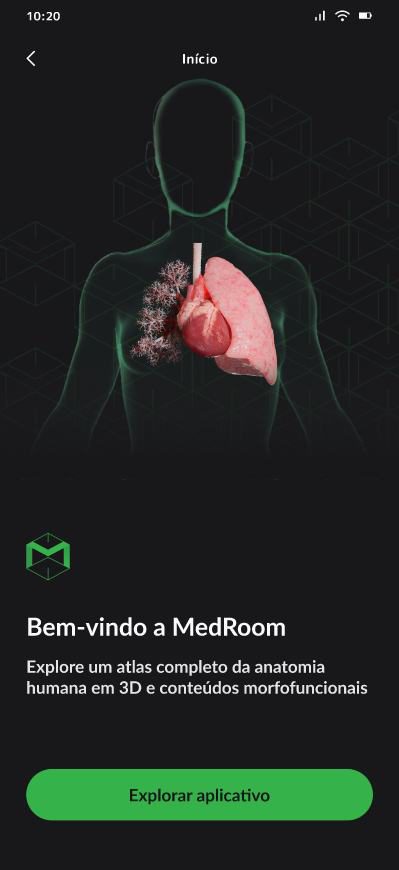
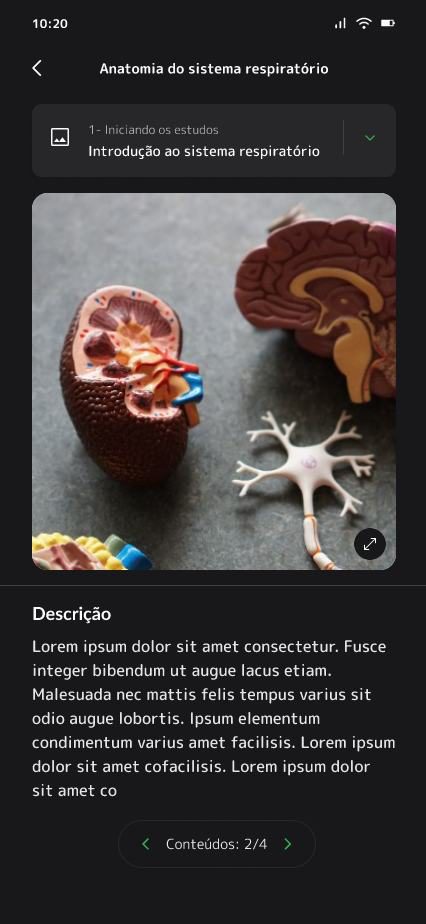
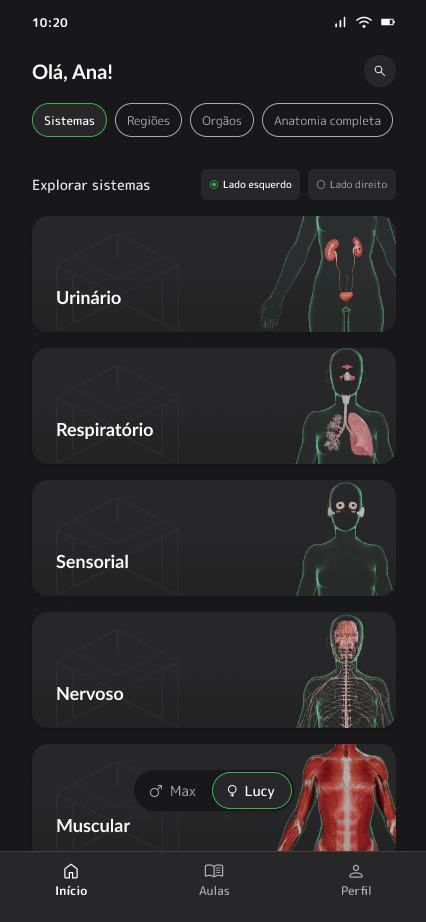
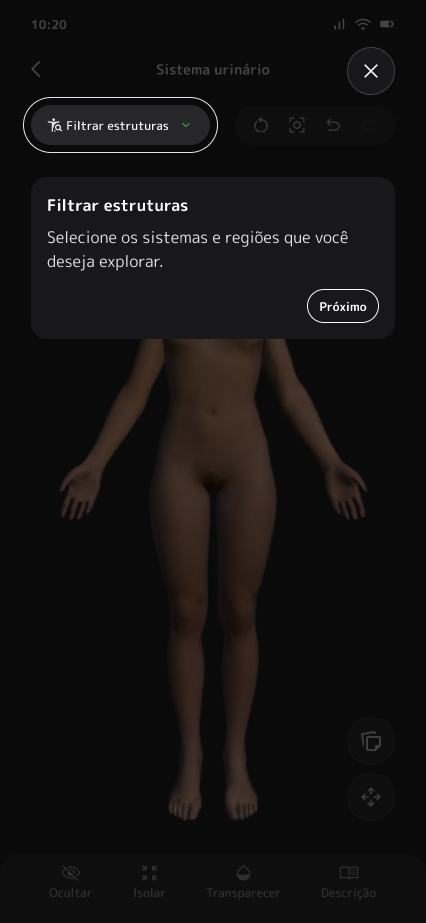
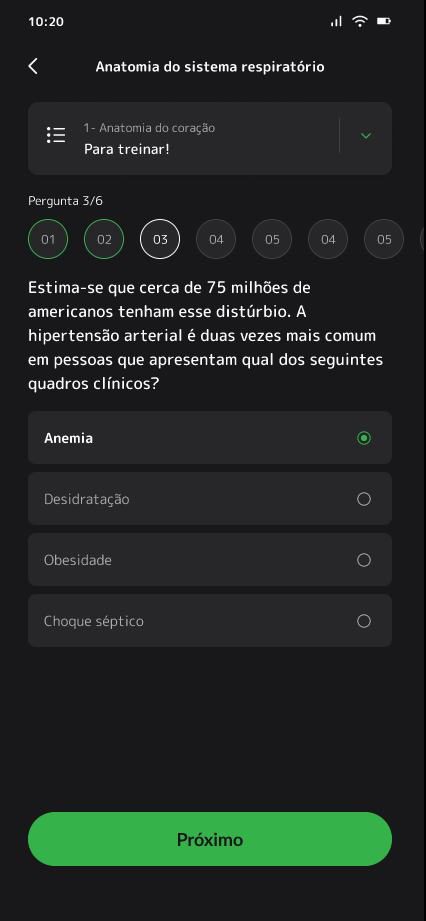
The mobile app is the practical, casual alternative for consuming the immersive content created for virtual reality. Students can access the lessons their teacher created, and explore and study the anatomical structures freely. The project’s challenge centred on information architecture and interface development.
Process
The last project in the MedRoom ecosystem. By this stage the actors, relationships and information architecture already existed for the VR and web products, which allowed a more fluid creation process, with user testing to measure the learning curve and validate whether navigation and accessibility were adequate.
Learnings
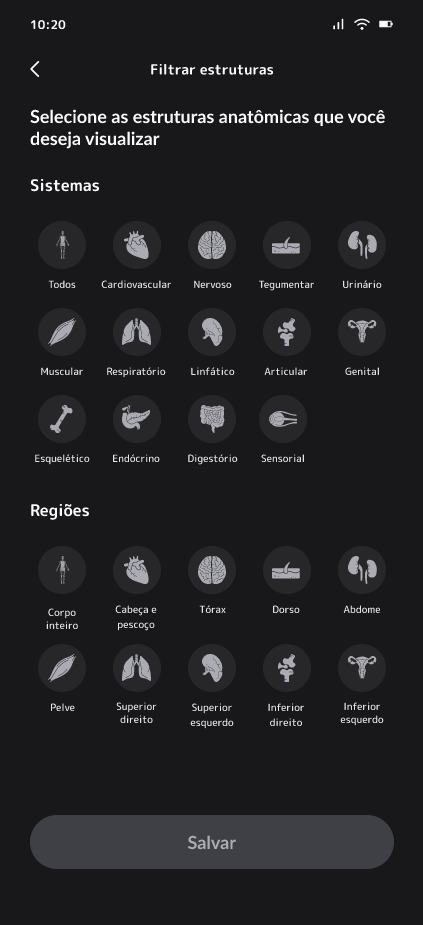
Extensive testing and shadowing of users at the institutions revealed that the proposed engineering was directly affecting performance on some devices. This forced the development team to revisit the engineering and, on the design side, led us to change the information architecture so that structures would load more efficiently. Recurring tests with well-defined metrics for hardware conditions and limitations help propose experiences that respect the end user and cut time spent on technical proposals.