Problem
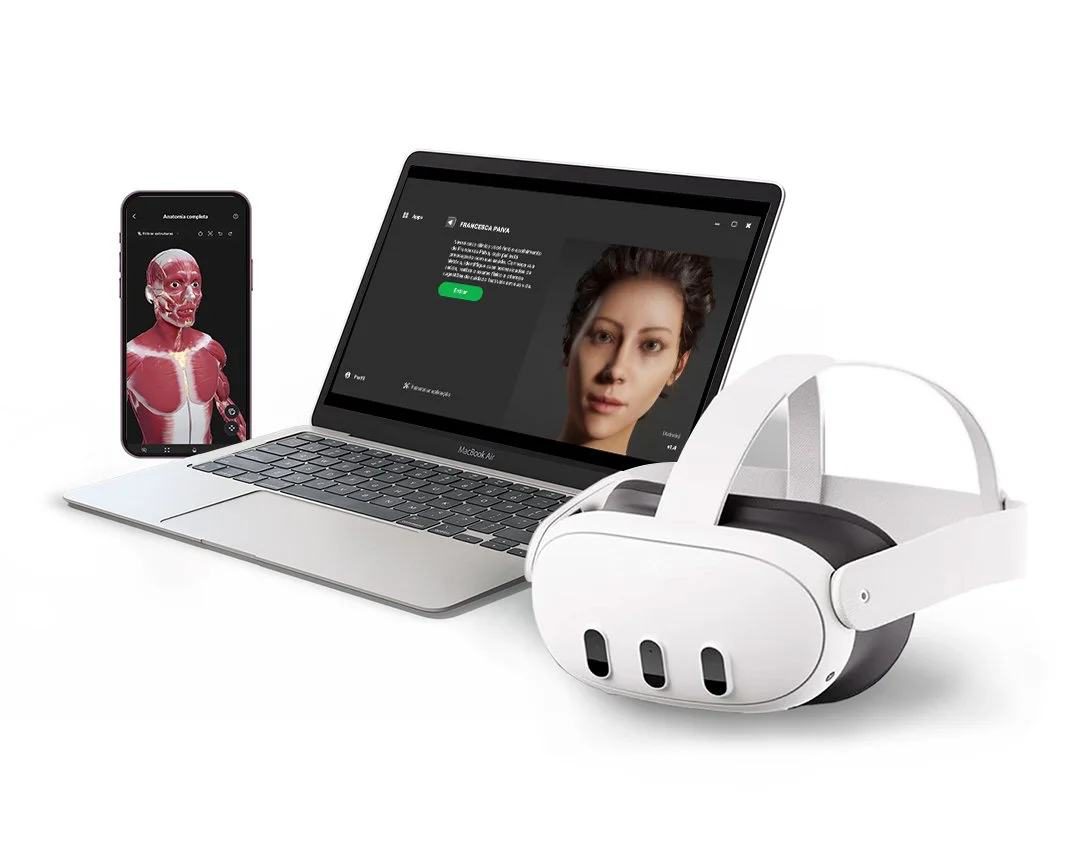
Clinical Cases is a virtual reality (VR) project that lets users — mostly medical students — go through a complete clinical interview, divided into History Taking, Physical Examination and Treatment Plan. Students already have in-person simulated consultations with actor-patients, and the project complements that journey with cases that speak to their learning reality, developing clinical reasoning and the execution of manoeuvres and examinations.
My challenge was to propose an experience coherent within an academic structure under constant re-evaluation; one that embraced and respected students of different social classes, relationships with technology, genders and ages; that conveyed the project’s value beyond that of an expensive tool; and that balanced challenge and reward to engage and motivate students in the practice.
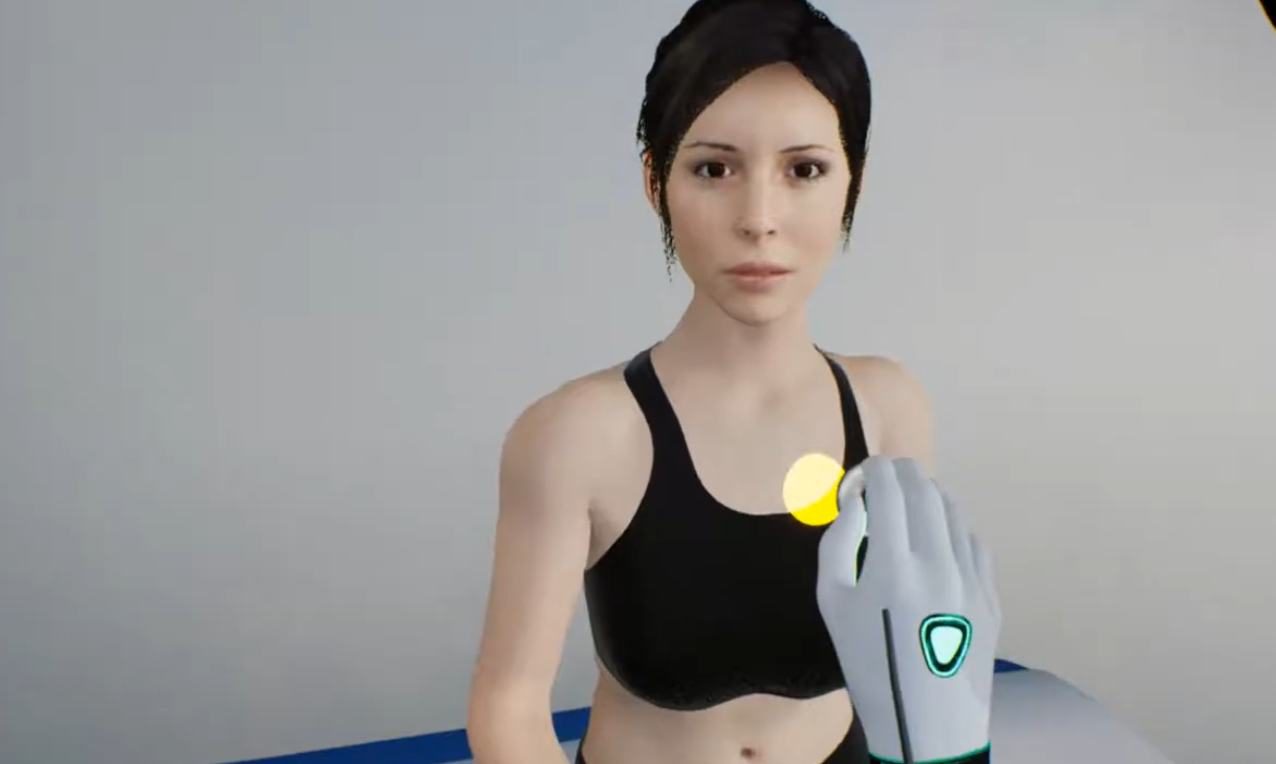
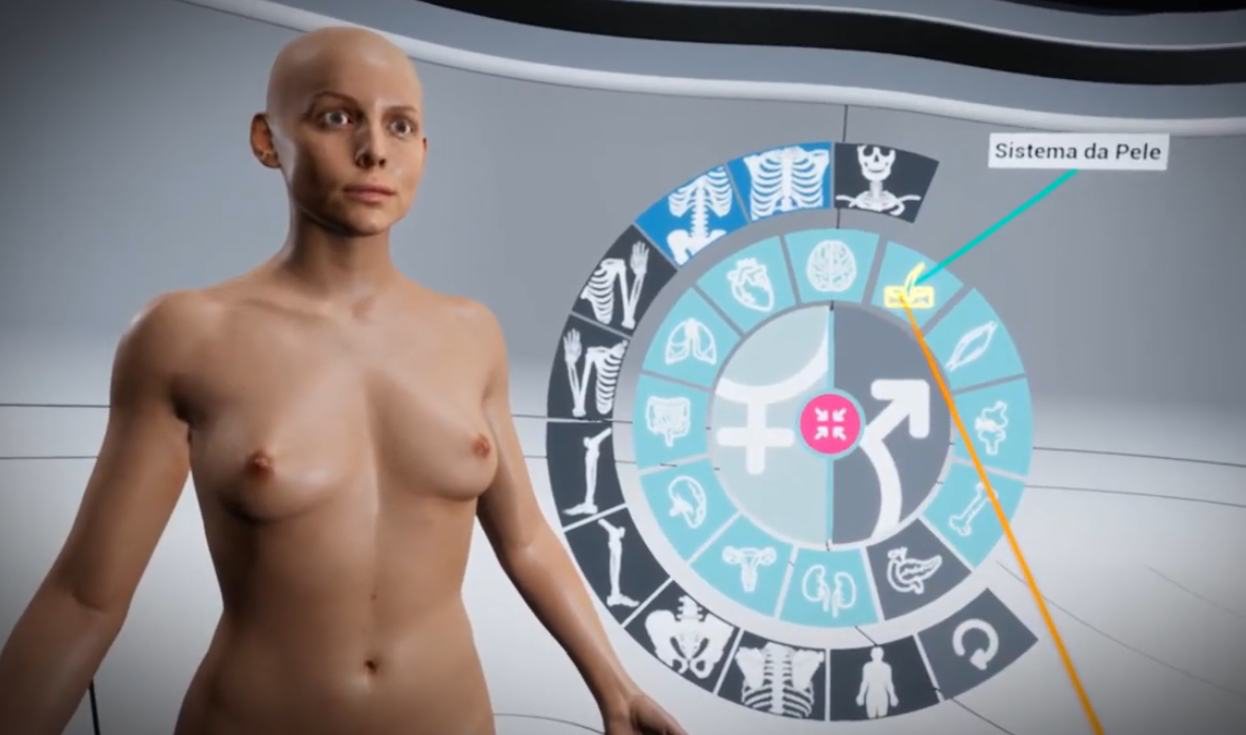
VR adds intrinsic complexities that were always taken into account throughout the process: the user’s sometimes conflicted relationship with equipment perceived as “too technological”, the hardware learning curve, possible software errors, the motor coordination required to map buttons onto interfaces inside a 360° environment, and the limits of the human body itself, such as fatigue and motion sickness.
This project catapulted me into academia, living the day-to-day of the classroom alongside students, teachers and coordinators. I learned teaching methods such as the Patient-Centred Clinical Method, clinical examinations and manoeuvres, and the different personas of medical student and professor who occupy that territory, along with their motivations. It let me think about how to incorporate new teaching methodologies into the curriculum, and brought me deep reflections on the role of technology in the world.
Extra links:
My scientific abstract for the Brazilian Congress of Medical Education (COBEM)
Award at the Brazilian Congress of Medical Education (COBEM)
Process
The structure of the cases mirrors the physical world and moves through three main stages: history taking, physical examination and treatment plan.
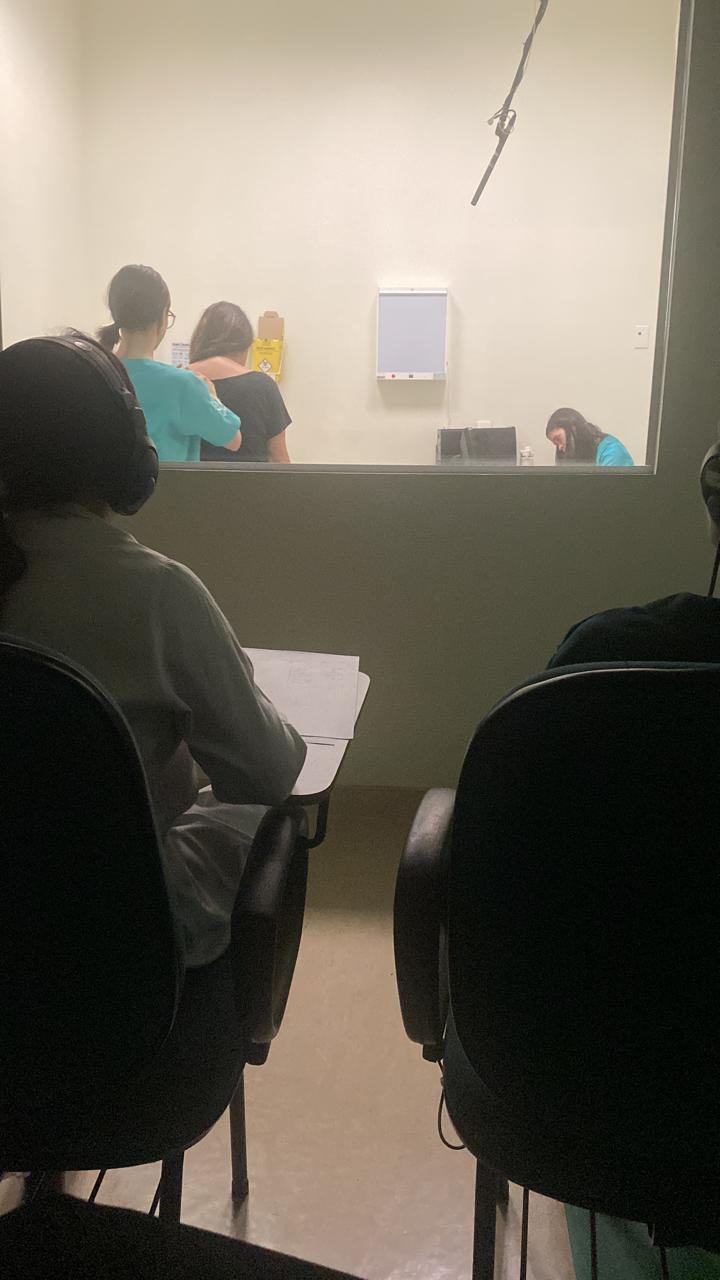
This stage took me to the university, shadowing students in class to understand gaps the virtual experience could fill, and to grasp in practice the mental models students adopt when interviewing a patient. It taught the project how, and with whom, to communicate. During exam season I shadowed the teachers, making sure we were careful about the balance of knowledge and authority between software and educator.
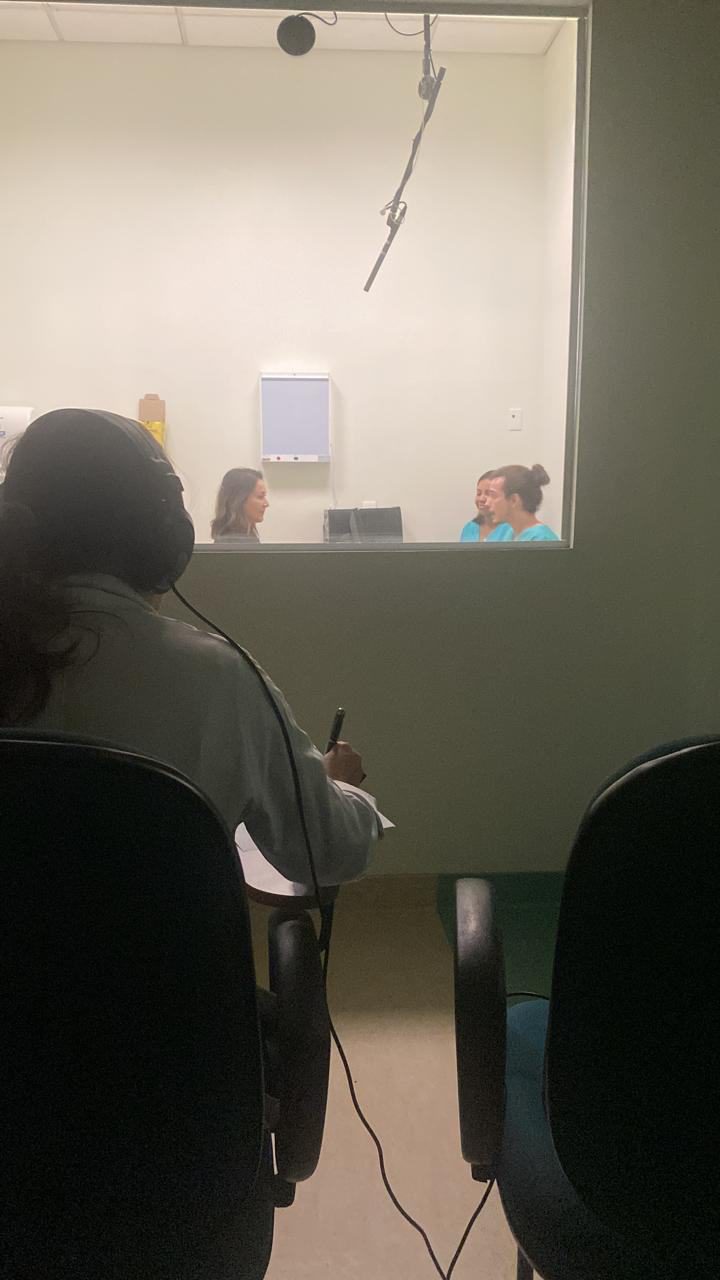
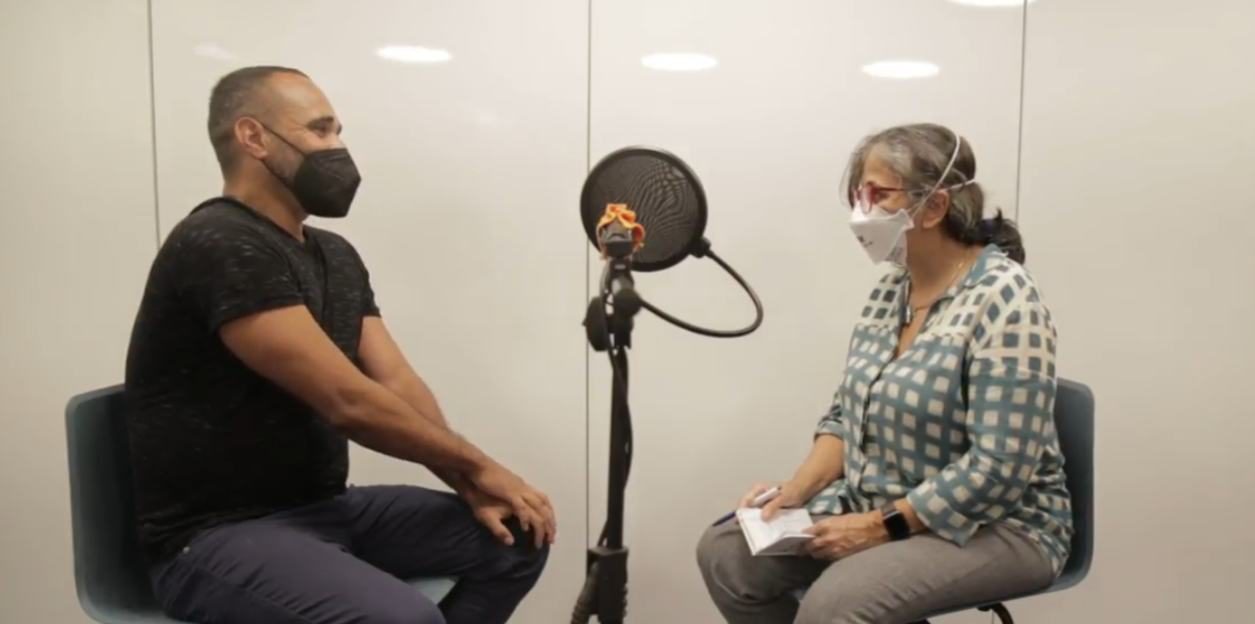
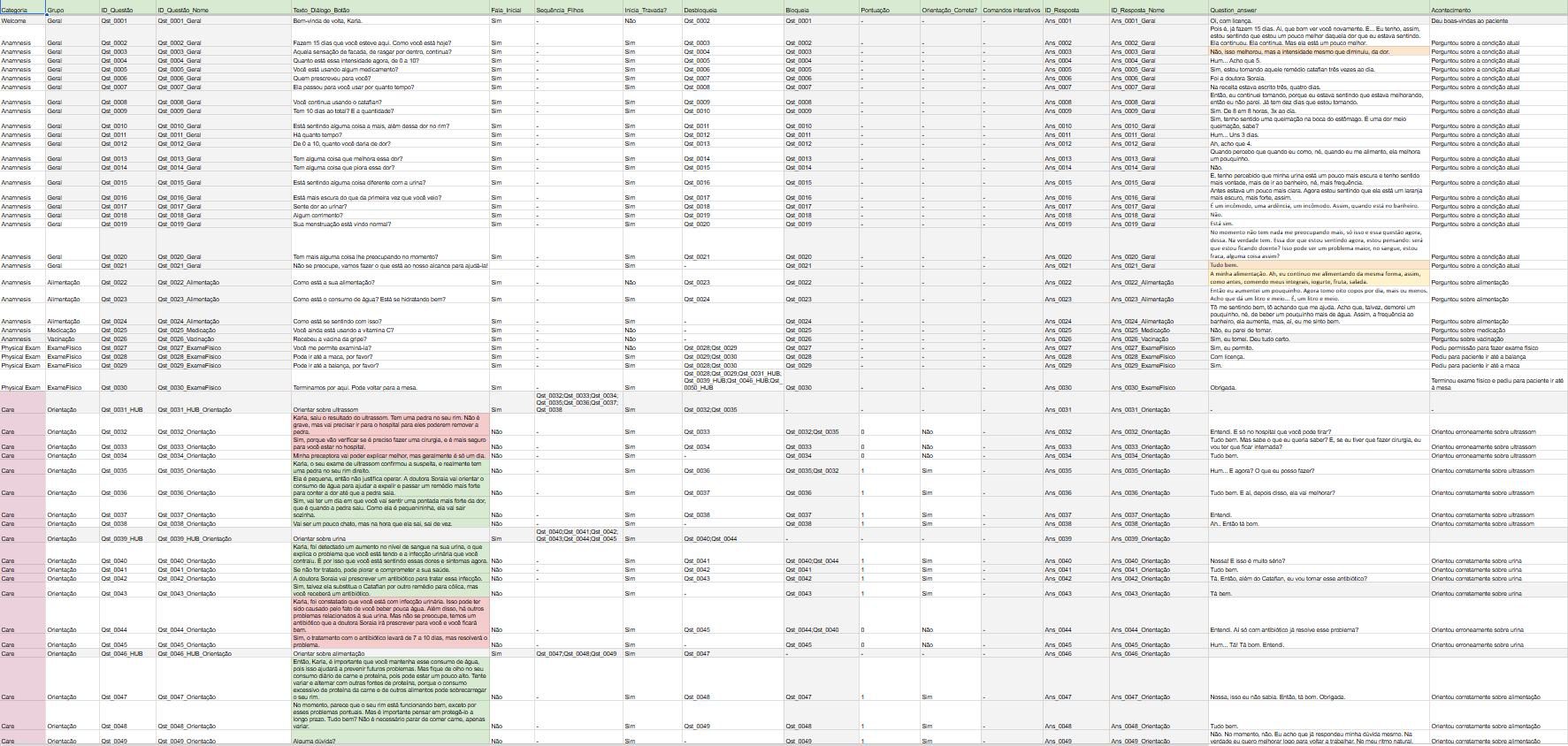
I also directed teachers and actor-patients so they could simulate different clinical interview narratives. That let students encounter branching paths inside VR, forcing them to develop not only critical clinical reasoning, by testing the protocols they had learned, but also empathy in communication — identified as a weak point in the analysis of the consultations students performed.
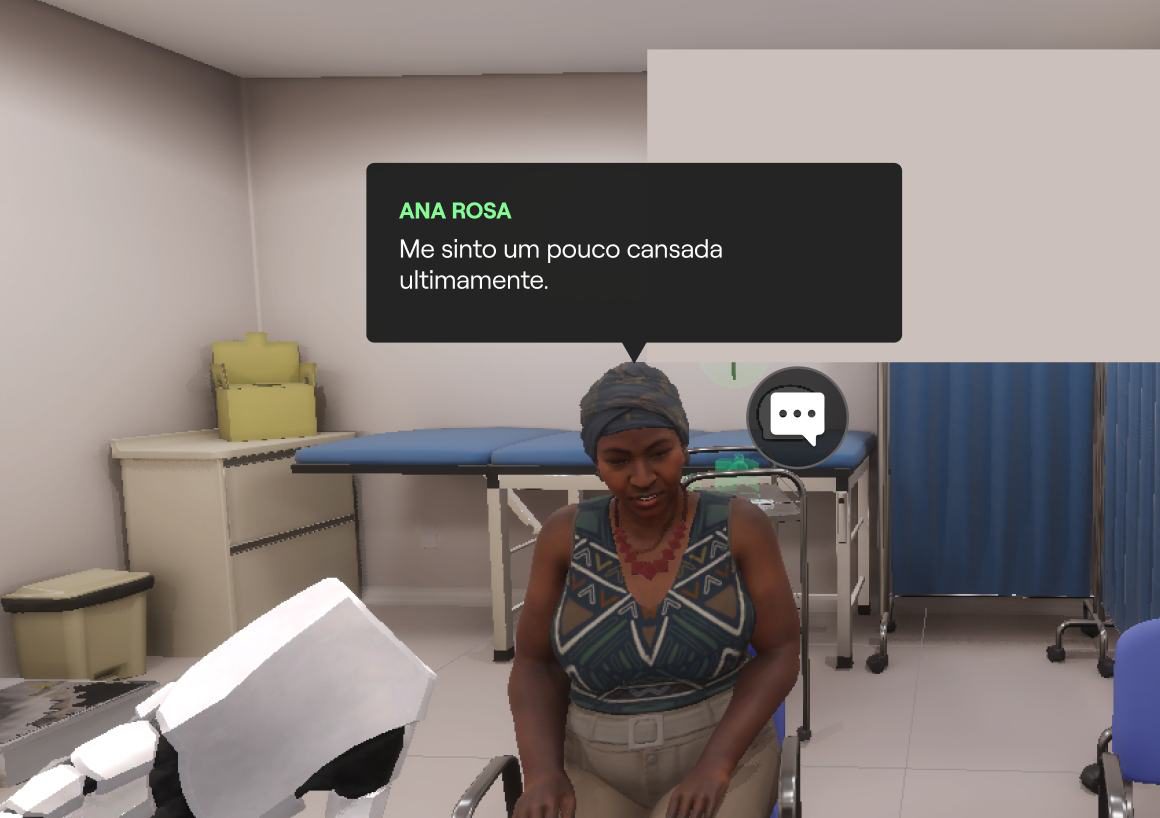
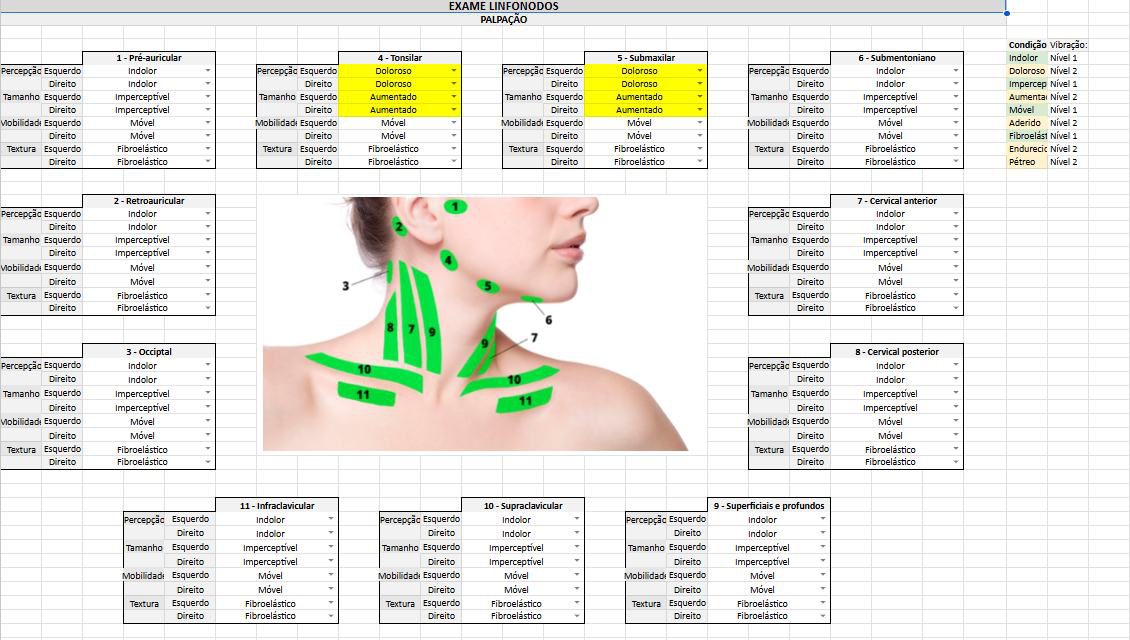
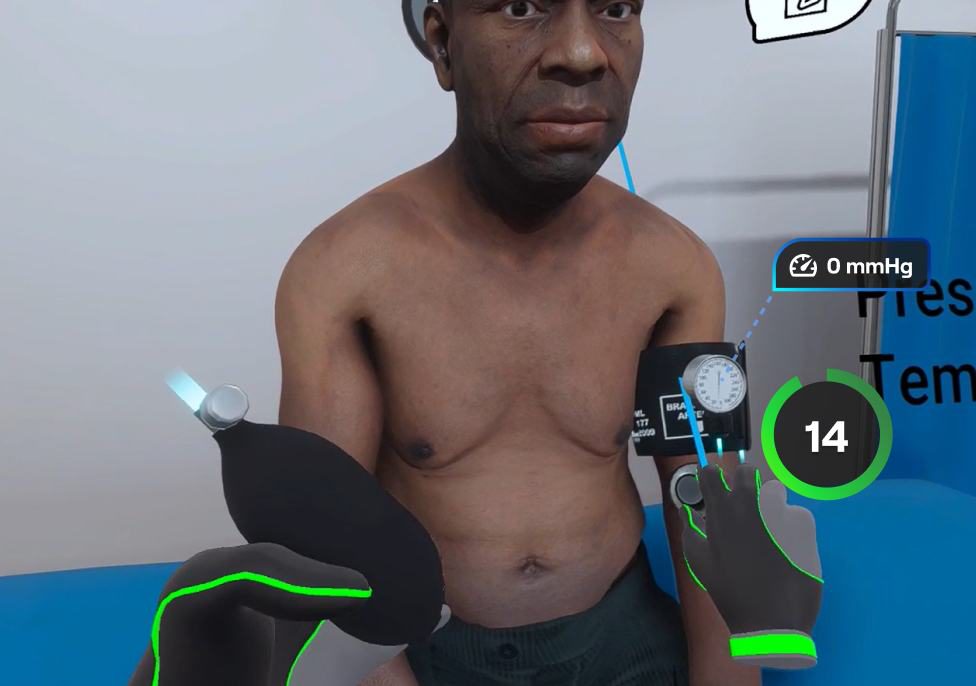
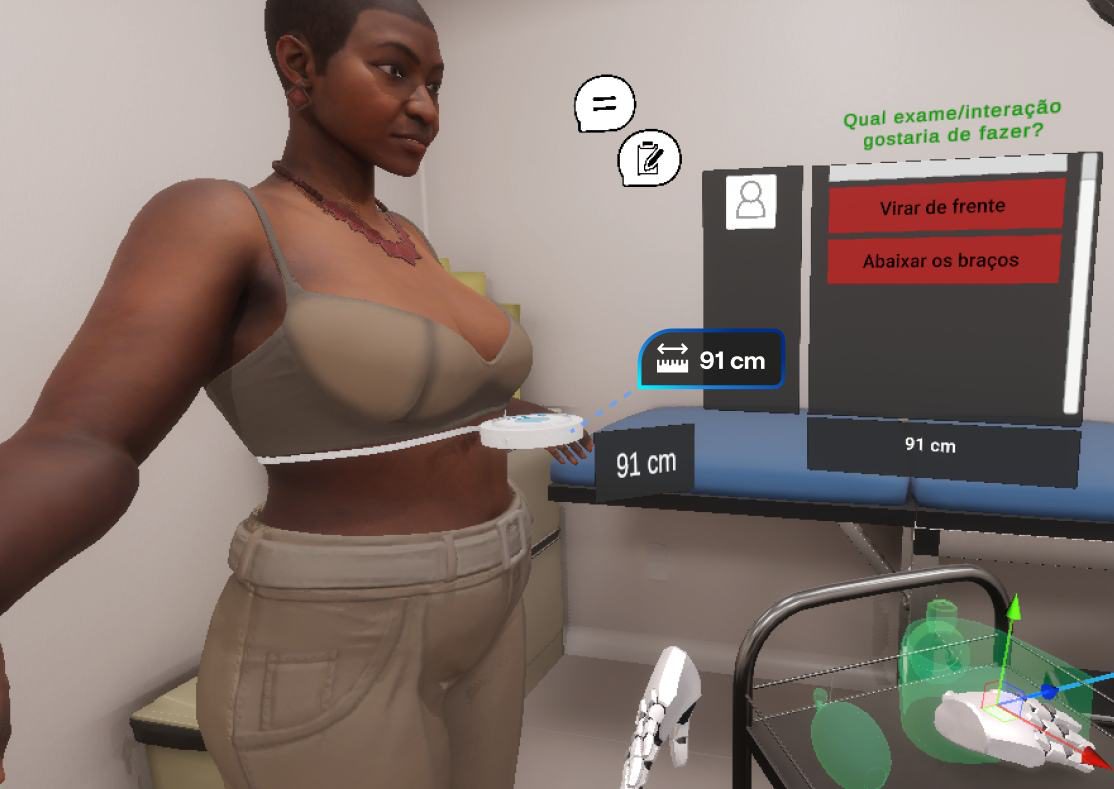
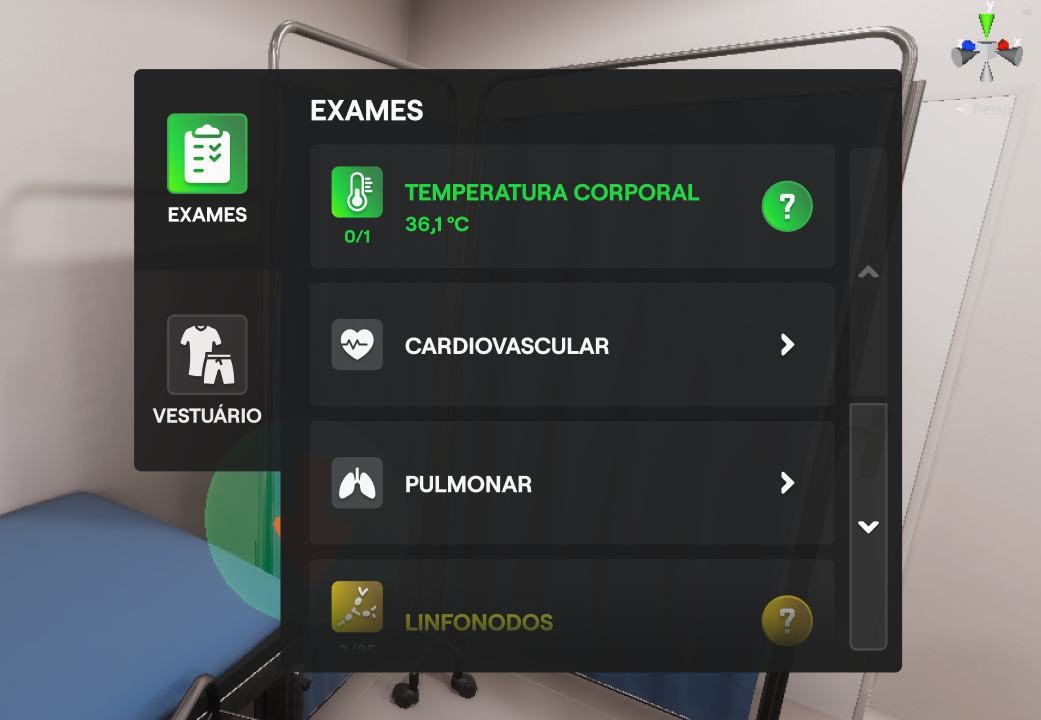
The second stage required students to perform physical examinations and specific manoeuvres on the 3D avatar. My biggest challenge was being the interface between three parties: teachers, students and the development team. Translating a physical examination into a virtual one forced me to create a structure for transferring a teacher’s knowledge and technique, producing an efficient, logical process so the development team could reproduce the subtleties of movement, response time and audio and haptic feedback — recreating, within limits, the examination as it happens in the physical world.
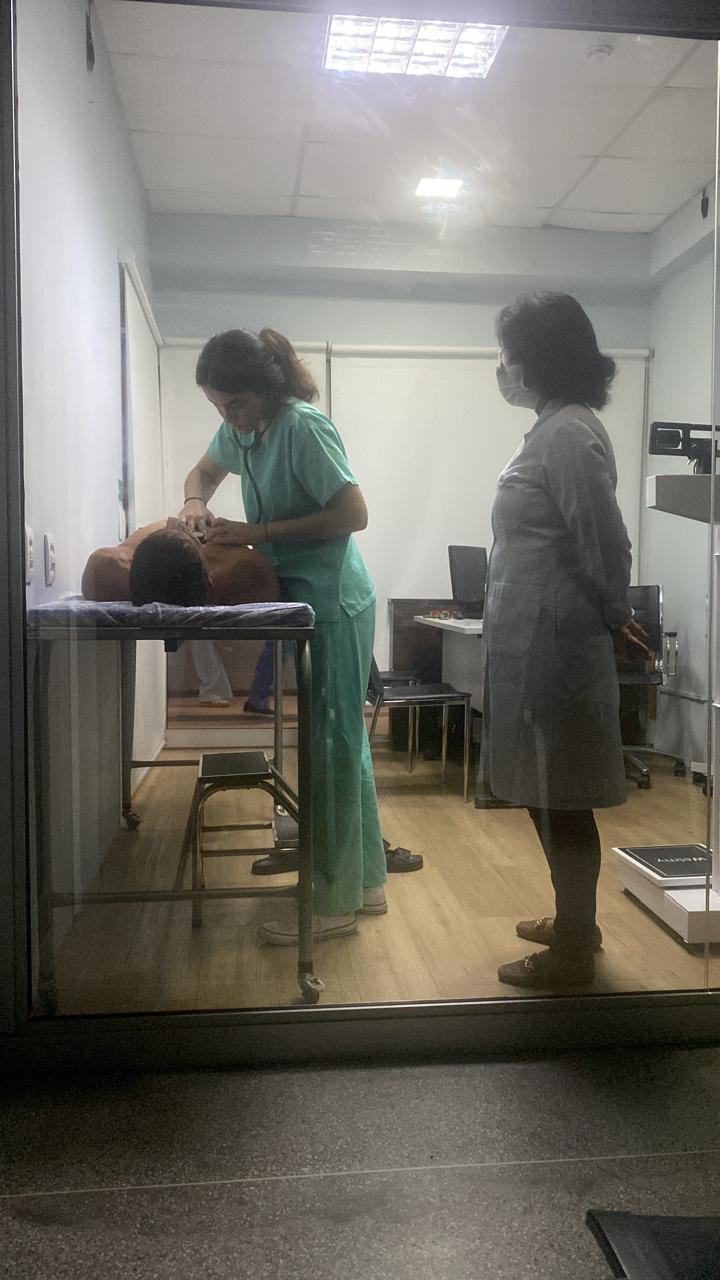
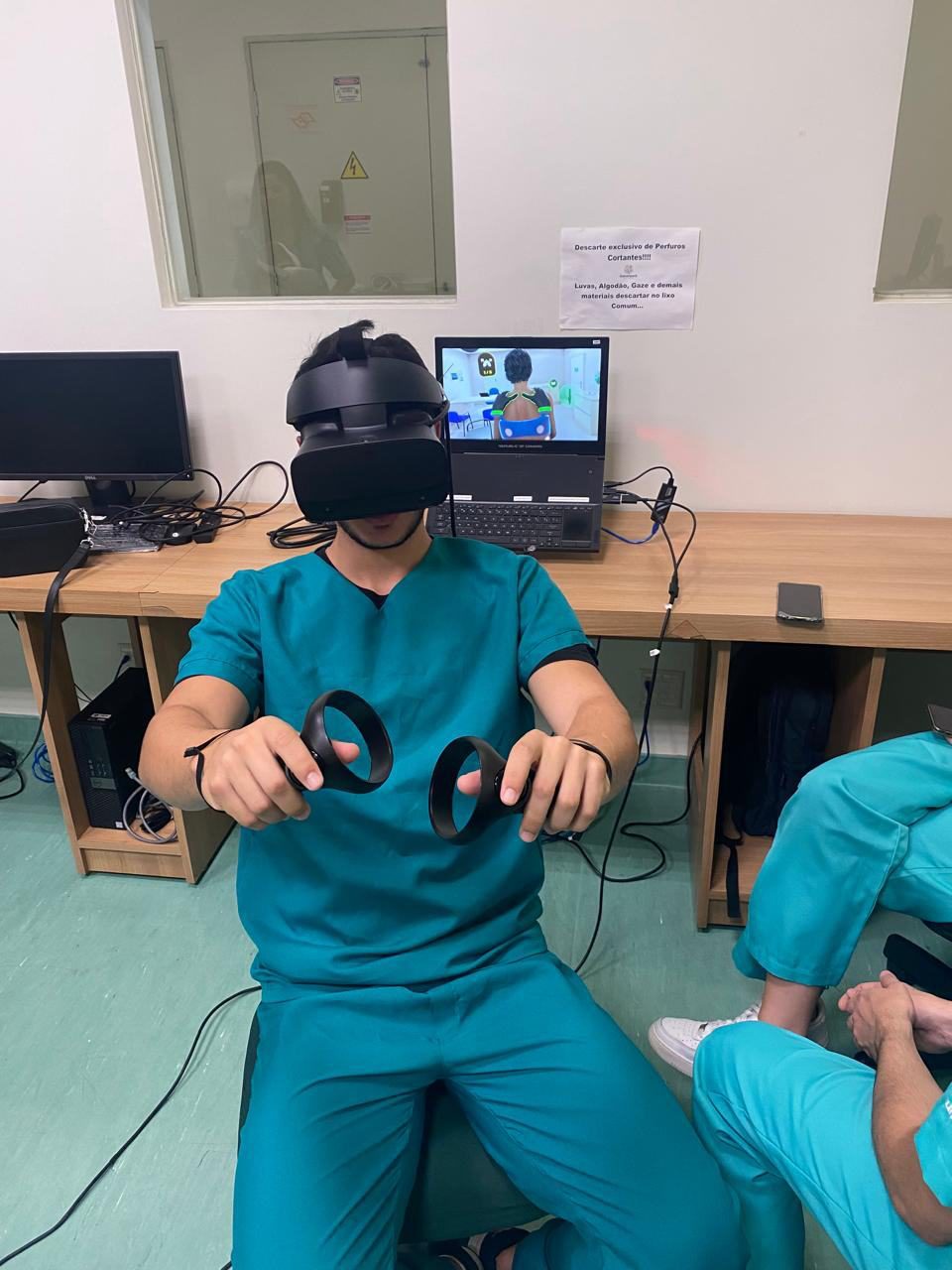
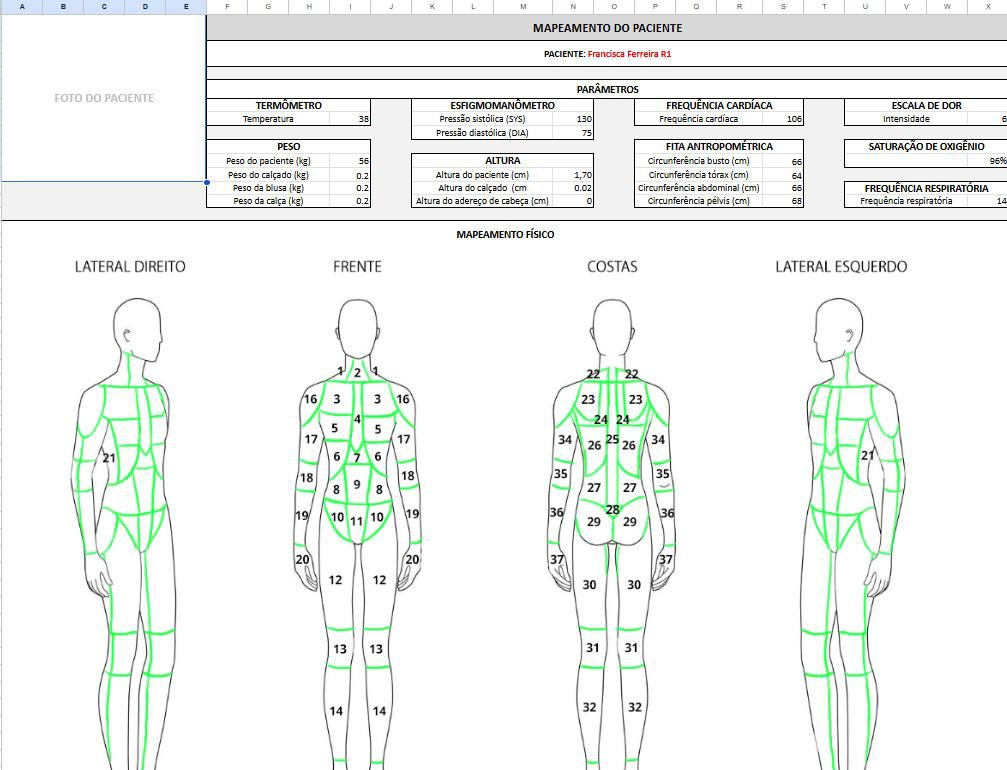
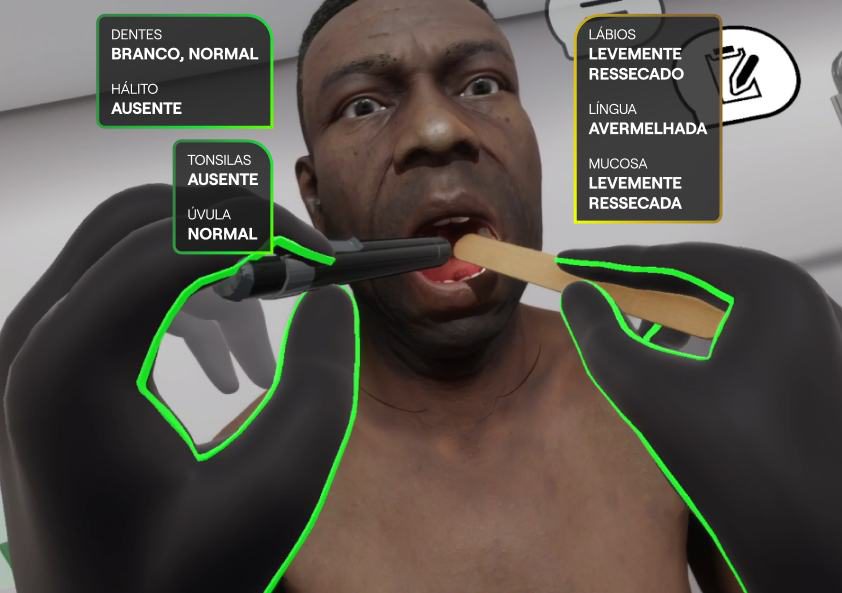
The third stage covers clinical reasoning, where the student chooses the best care plan for the patient. Every possible dialogue was pre-recorded with actors, including story branches, so the student has more than one option to weigh and consider what would be best for the virtual patient living with the disease.
Interfaces
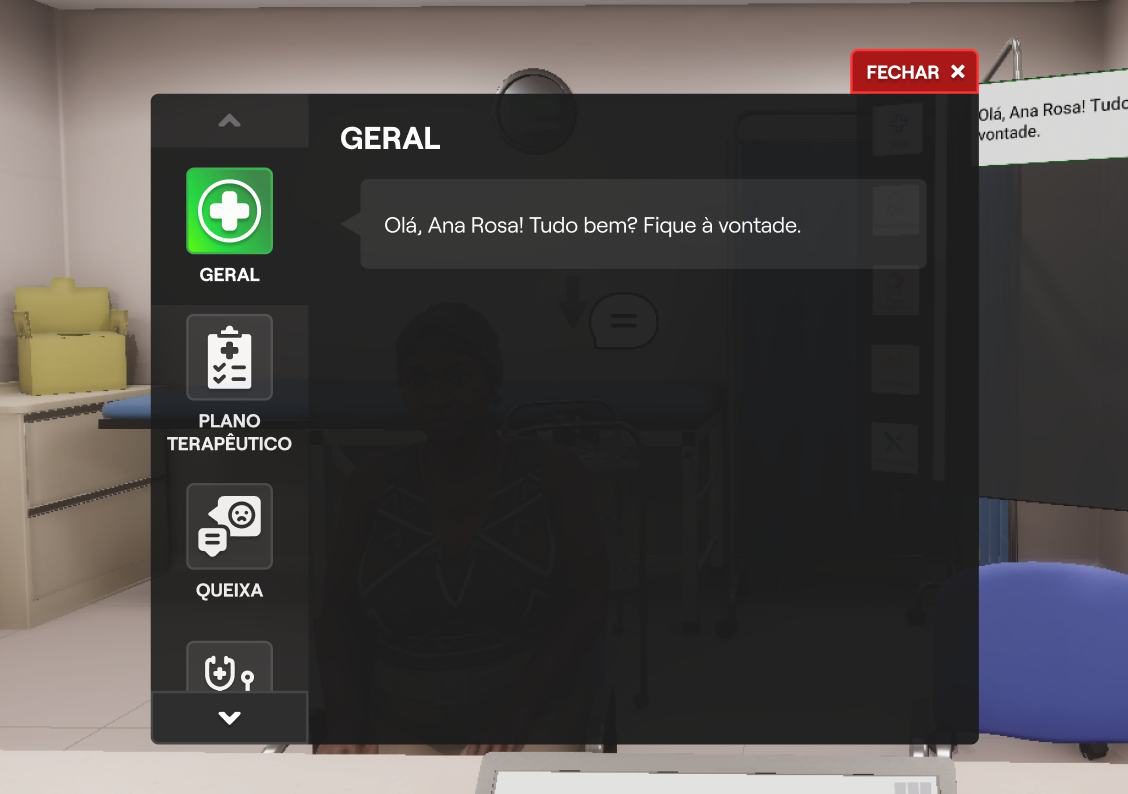
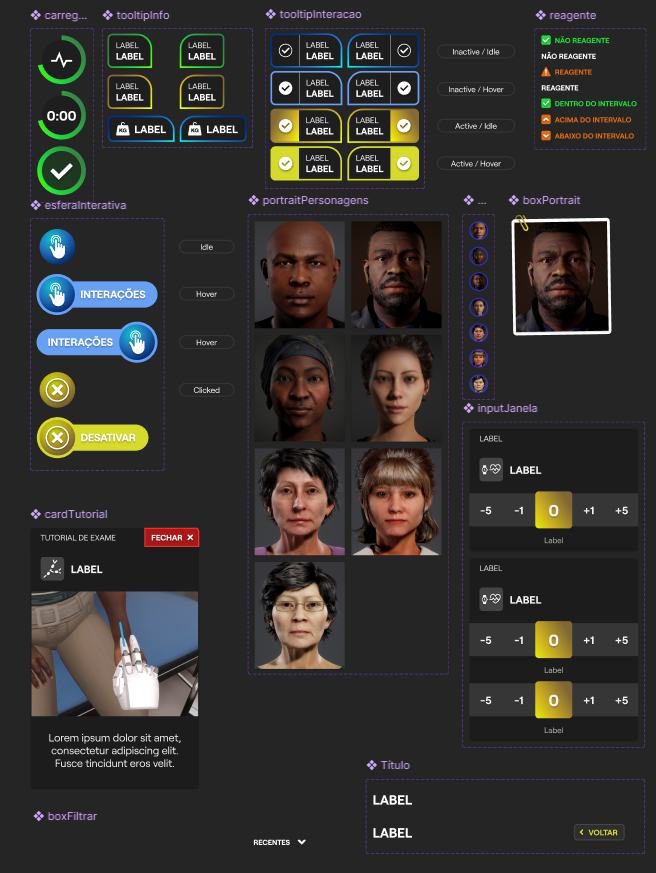
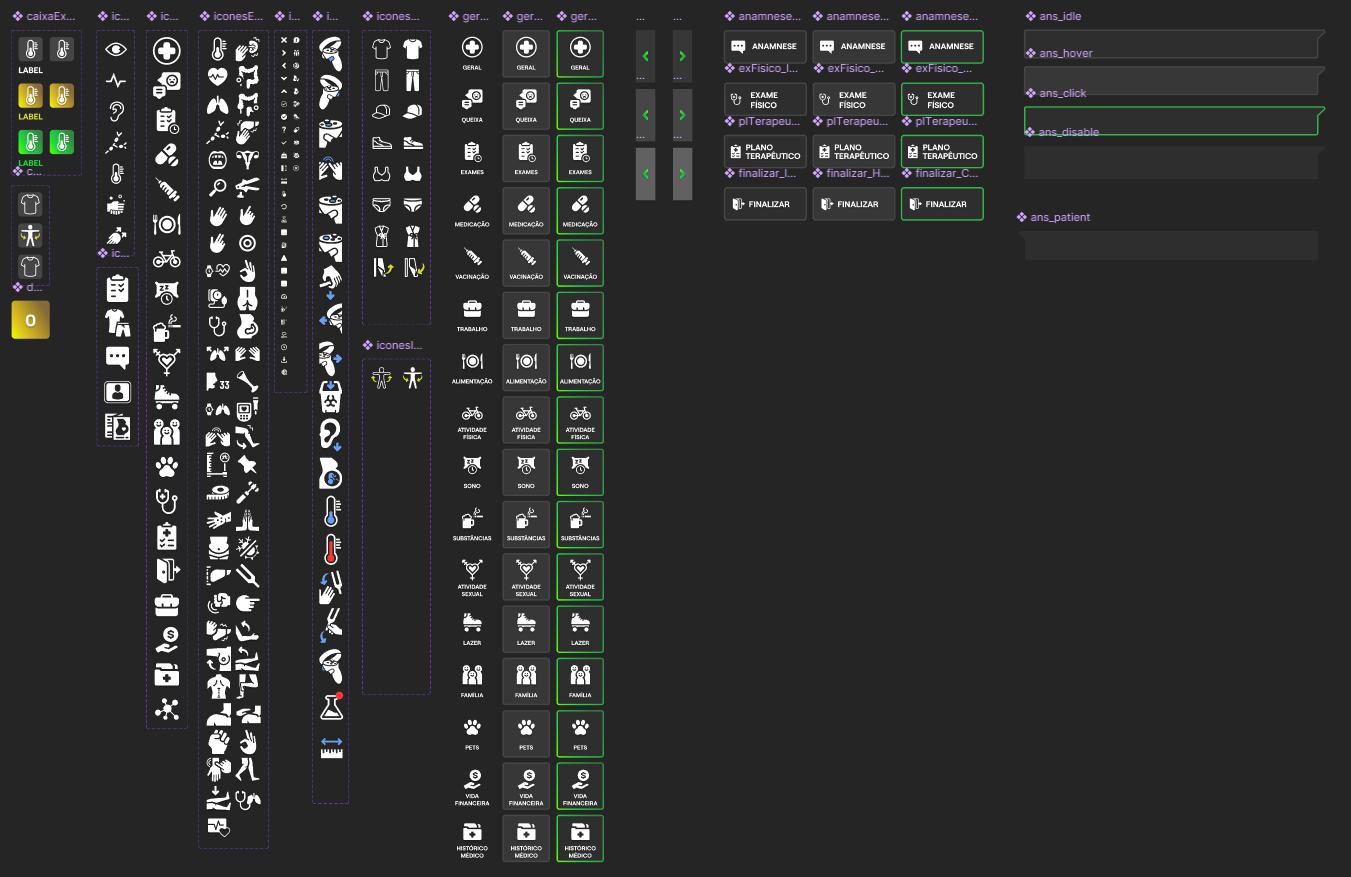
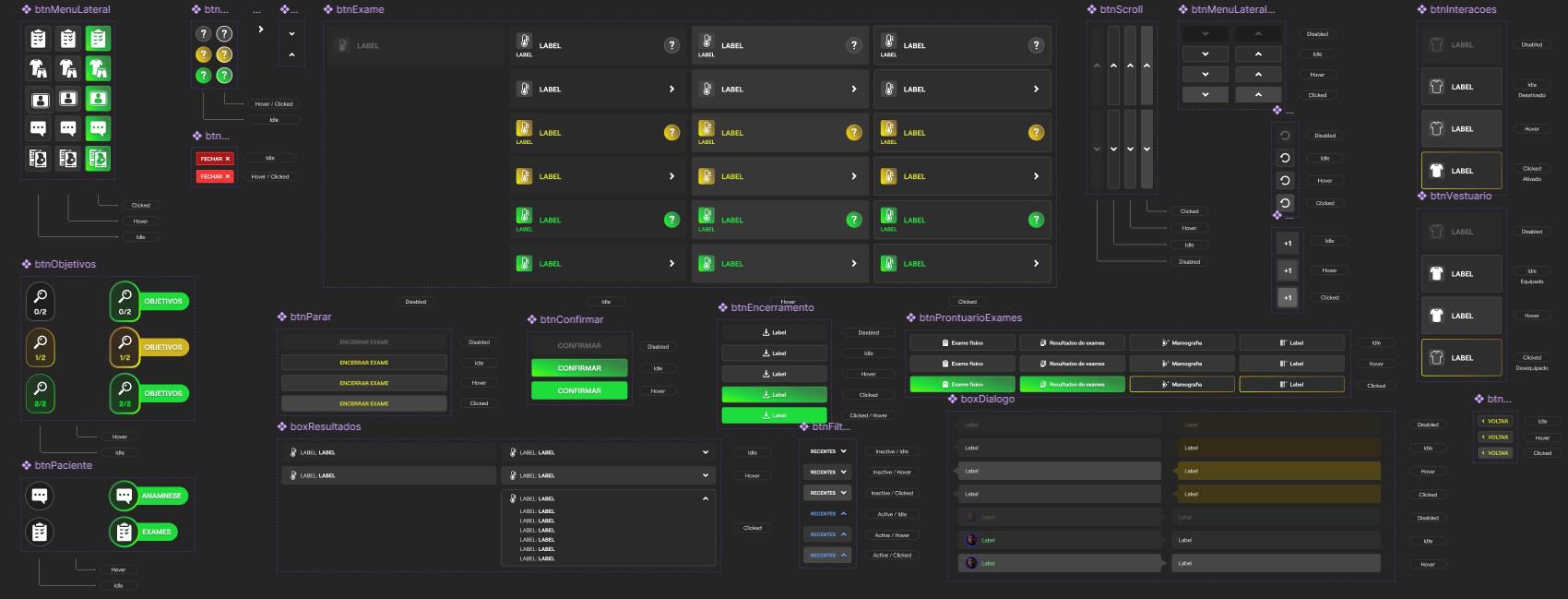
The interfaces were validated in advance through testing with students. Once proven friendly enough for a low-friction journey, we built a framework of assets in Figma for implementation in Unreal, along with documentation in Notion specifying the interactions each physical examination required.
Learnings
The biggest challenges and learnings are academic. It was necessary to immerse myself in the daily life of the educator, the learner, the pedagogical coordinators and MedRoom’s lab and support teams, so that we had enough data to understand how to connect a new technological product into an ecosystem that already works — but that would go through a process of re-evaluation.
Some highlights:
- Digital literacy: research showed the ideal was to let users perform most interactions with maximum comfort and the fewest buttons to memorise. We therefore simplified the interactions to accommodate the many different realities of our users.
- Adoption: the success of implementing a new technology requires it to be connected to a teaching methodology that is motivated, debated and, ideally, co-created with educators — so that an intrinsic value becomes perceptible and transmissible.
- Support and training: it is essential to immerse yourself in the entire journey of adopting new technology, giving a voice to the lab technicians, the internal training and support team, students with varying digital literacy, and teachers with different backgrounds and teaching styles. Every touchpoint matters and is an agent of success in learning. Reducing technical noise and providing an adequate environment for immersive study makes for a more effective learning environment.
Results
- After implementation, classes using the VR module gained more structured and repeatable scripts, reducing dependence on the availability of real patients.
- Teachers reported higher student engagement during the simulations and noticed greater confidence when transferring that learning to the clinical environment.
- Over 8 months I took part in a nationwide effort to train users and evaluate the product’s results and impact in the field. I visited four campuses (two in São Paulo — capital and countryside — and two in Bahia, likewise) running qualitative and quantitative interviews and observing behaviour and the relationship with the VR equipment. In total we gathered 1,846 responses and reached 47.66% NPS, 3.2% CES and 82.77% CSAT. Across the MedRoom ecosystem’s product range, total promoters reached 90.7%.